Introduction
Process automation is becoming an important part of modern business operations. It helps organizations complete repetitive tasks with less manual effort. By using software, digital tools, and automated systems, businesses can improve their daily workflows. It also reduces the chances of human error and saves valuable time. As technology continues to develop, process automation is helping companies work more efficiently and achieve better results.
1. What Is Process Automation?
Process automation refers to the use of technology to perform tasks that would otherwise require manual work. These tasks may include entering data, sending emails, processing orders, and managing documents. Automated systems follow predefined rules to complete activities consistently. This allows employees to spend less time on repetitive responsibilities. Instead, they can focus on planning, problem-solving, and customer service. Process automation can be applied to businesses of different sizes and industries. Its main purpose is to simplify work and improve overall productivity.
2. Importance of Process Automation
Process automation is important because businesses need efficient ways to manage growing workloads. Manual processes can become slow and complicated when the number of tasks increases. Automation helps organizations handle these activities in a more organized manner. It can also improve communication between departments by keeping information updated. Employees can access accurate data without repeating the same work. This makes daily operations easier to manage. As a result, companies can improve performance while using their available resources more effectively.
3. Benefits of Process Automation
One of the biggest benefits of process automation is the reduction of repetitive manual work. Automated tools can complete routine activities quickly and consistently. This helps businesses save time and control operational expenses. Automation can also reduce errors caused by incorrect data entry or missed steps. Another advantage is improved productivity, as employees can concentrate on more valuable tasks. Businesses may also experience faster service delivery and better workflow visibility. These benefits make process automation a useful investment for organizations seeking long-term improvement.
4. Types of Process Automation
There are several types of process automation, and each serves a different purpose. Basic automation handles simple, repetitive activities such as sending notifications or organizing files. Robotic process automation uses software robots to perform rule-based digital tasks. Business process automation connects multiple activities to improve an entire workflow. Intelligent automation combines automation with technologies such as artificial intelligence and machine learning. The right option depends on business requirements, available resources, and operational complexity. Understanding these types helps companies select suitable solutions.
5. Process Automation in Business
Businesses use process automation to manage everyday operations more effectively. For example, an online store can automatically confirm orders and update customers about deliveries. A finance department can use automated systems to prepare invoices and track payments. Human resource teams can simplify employee onboarding and leave management. These applications reduce administrative pressure and help departments coordinate their activities. Automation also makes it easier to monitor progress and identify delays. By improving routine operations, businesses can provide more consistent services to their customers.
6. Role of Technology in Process Automation
Technology provides the foundation for modern process automation. Software applications, cloud platforms, workflow management systems, and artificial intelligence can all support automated activities. These tools help organizations transfer information between systems and perform tasks according to established rules. Cloud-based solutions also allow employees to access workflows from different locations when permissions allow. Advanced technologies can analyze data and support more complex decisions. However, technology must be selected carefully to meet business needs. A suitable combination of tools can create a more connected and efficient working environment.
7. Process Automation and Productivity
Process automation can improve productivity by reducing the time employees spend on repetitive tasks. Activities that once required several manual steps may be completed automatically within a shorter period. This allows teams to manage more work without increasing their workload unnecessarily. Automated reminders can also help prevent missed deadlines and forgotten responsibilities. Employees can use the extra time to develop ideas, solve problems, and improve customer relationships. Although automation does not eliminate every operational challenge, it can make workflows more predictable and productive when implemented correctly.
8. Challenges of Process Automation
Despite its advantages, process automation can present several challenges. Initial implementation may require financial investment, technical knowledge, and employee training. Some organizations also struggle when their existing systems are outdated or incompatible with new tools. Employees may feel uncertain about changes to their responsibilities. Poorly designed automation can create additional problems instead of solving them. Businesses should therefore assess their processes before introducing automated solutions. Clear communication, proper planning, and regular testing can help reduce these risks and make the transition smoother.
9. Process Automation in Customer Service
Customer service is another area where process automation can make a meaningful difference. Automated systems can respond to common questions, send appointment reminders, and provide order updates. Chatbots may help customers find basic information without waiting for an available representative. Ticketing systems can assign requests to the appropriate department and track their progress. These features can improve response times and make support services more organized. However, complex complaints and sensitive situations often require human attention. Combining automation with personal assistance can create a more balanced customer experience.
10. Steps to Implement Process Automation
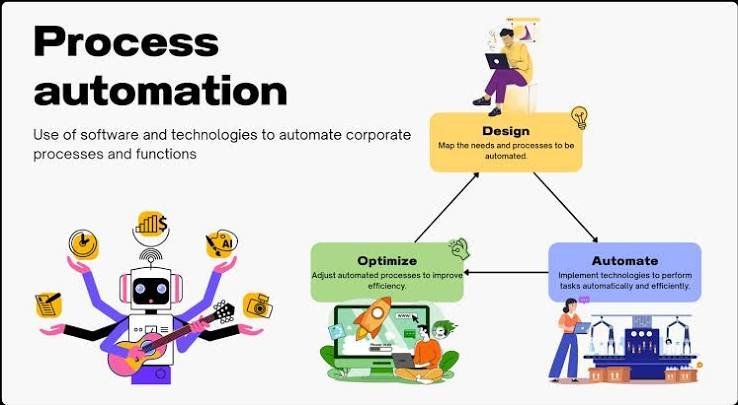
Successful process automation begins with identifying tasks that are repetitive, time-consuming, or prone to errors. Businesses should then examine the existing workflow and determine what needs improvement. The next step is choosing a suitable automation tool that fits the organization’s budget and requirements. A small pilot project can help test the solution before it is introduced more widely. Employees should receive appropriate training so they understand how the new system works. After implementation, managers should review performance and collect feedback. Continuous improvement helps ensure that automation delivers practical value.
11. Future of Process Automation
The future of process automation is closely connected to developments in artificial intelligence, data analytics, and cloud computing. New tools are becoming better at handling complex workflows and recognizing patterns in information. Businesses may increasingly use intelligent systems to support decisions and coordinate activities across departments. Automation is also likely to become more accessible to smaller organizations through affordable software platforms. Even so, human judgment, creativity, and accountability will remain important. Companies that combine technical innovation with responsible management may be better prepared for changing business demands.
12. Best Practices for Process Automation
Organizations should follow practical guidelines to achieve better results from process automation. First, they should choose processes with clear goals and measurable outcomes. Automating an inefficient workflow without improving it first may simply repeat existing problems faster. Businesses should also protect sensitive information through appropriate access controls and security measures. Employees need regular training and clear instructions about automated procedures. Performance should be reviewed using indicators such as processing time, error rates, and operating costs. By monitoring results and making adjustments, organizations can maintain reliable and effective automated workflows.
Conclusion
Process automation helps businesses simplify routine tasks and improve operational efficiency. It can reduce manual errors, save time, and support better use of employee skills. Although implementation requires planning, training, and investment, the long-term benefits can be valuable. Organizations should select suitable tools and regularly evaluate their performance. With a thoughtful approach, process automation can support sustainable growth and more effective business operations.
Frequently Asked Questions (FAQs)
1. What is the main purpose of process automation?
The main purpose of process automation is to use technology to complete repetitive tasks with less manual effort. It helps improve efficiency, reduce errors, and make business workflows more consistent.
2. Which businesses can benefit from process automation?
Almost any business can benefit from process automation, including retail stores, healthcare organizations, financial institutions, educational institutions, and manufacturing companies. The specific applications depend on the organization’s daily activities and goals.
3. Is process automation expensive to implement?
The cost depends on the tools selected, the complexity of the workflow, and the size of the organization. Small businesses can begin with affordable automation software, while larger companies may require more advanced systems and integration services.