Introduction
Text generation is a modern technology that allows computers to create meaningful written content automatically. It uses artificial intelligence (AI) and natural language processing to understand and produce human-like text. This technology can generate articles, blogs, emails, product descriptions, stories, and other forms of writing. Text generation tools help individuals and businesses save time and improve their writing processes. As technology continues to advance, text generation is becoming an important part of digital communication.
1. What Is Text Generation?
Text generation is the process of creating written content with the help of computer programs or artificial intelligence. It allows users to produce text based on instructions, keywords, questions, or specific topics. Modern AI systems analyze language patterns to generate sentences that are relevant to the given request. This technology can be used for both simple writing tasks and complex content creation. It helps users develop ideas, organize information, and communicate more effectively. Text generation is widely used in education, marketing, customer support, and online publishing. It can also assist writers in overcoming creative blocks. However, the quality of the generated content depends on the instructions, training data, and capabilities of the tool.
2. How Does Text Generation Work?
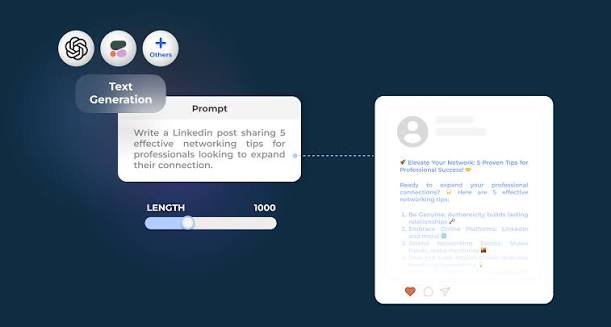
Text generation works by using computational models trained to recognize patterns in language. These models process a user’s instructions and predict suitable words or phrases to form meaningful sentences. Many modern systems use large language models that learn from extensive collections of text. When a user enters a prompt, the system interprets the request and generates a response based on its learned patterns. Some tools can also use additional information or external sources to improve their responses. The generated content may vary depending on the prompt’s clarity and level of detail. Users can refine their instructions to receive more relevant results. Although the output can sound natural, it should still be reviewed for accuracy, clarity, and originality.
3. Importance of Text Generation in the Digital World
Text generation has become valuable because people and organizations need written content for many different purposes. Businesses use it to prepare advertisements, website pages, customer messages, and promotional materials. Students may use these tools to understand topics, summarize information, and organize their study notes. Content creators can develop outlines and explore fresh ideas more efficiently. Text generation also supports communication by helping users write clear and structured messages. It can reduce the time required to complete repetitive writing tasks. When used responsibly, this technology can improve productivity without removing the need for human judgment. Its growing popularity reflects the increasing role of artificial intelligence in everyday work.
4. Benefits of Text Generation
One of the main benefits of text generation is its ability to produce a first draft quickly. It can help users save time when preparing articles, reports, emails, and other documents. Another advantage is flexibility, as the same tool can support different writing styles and audiences. Users can request formal, conversational, informative, or persuasive content according to their needs. Text generation can also help people develop ideas when they are unsure how to begin writing. For businesses, it may simplify routine communication and support content planning. It can make writing assistance more accessible to people with different levels of experience. Nevertheless, human editing remains important to ensure that the final content meets the required standards.
5. Text Generation and Artificial Intelligence
Artificial intelligence plays a central role in modern text generation. AI-powered systems use language models and machine learning techniques to identify relationships between words, phrases, and broader ideas. These systems can respond to questions, rewrite sentences, summarize documents, and create new passages of text. Natural language processing helps computers work with human language in useful ways. Some advanced systems can also consider conversational context when preparing a response. This makes interactions more flexible and practical for users. However, AI does not understand every subject in the same way a human expert does. It may produce incorrect statements or misunderstand complex instructions, so important information should always be verified.
6. Common Applications of Text Generation
Text generation has applications across many industries and professional fields. In education, it can help explain concepts, create practice questions, and prepare learning materials. In digital marketing, it supports the creation of product descriptions, advertising copy, and social media captions. Businesses may use it to draft emails, reports, proposals, and customer service responses. News organizations and content publishers can use AI assistance for outlines, summaries, and routine editorial tasks. Developers may integrate text generation into chatbots and automated support systems. Authors can also use it to brainstorm characters, explore story ideas, or improve early drafts. The most suitable application depends on the user’s objectives, the nature of the content, and the level of human supervision required.
7. Text Generation for SEO Content
Search engine optimization (SEO) helps online content become easier for people to discover through search engines. Text generation tools can assist with SEO by creating article outlines, drafting headings, suggesting related terms, and organizing information around a topic. They can also help writers develop meta descriptions and informative website content. However, adding keywords repeatedly does not automatically make an article useful or successful. Effective SEO content should answer readers’ questions and provide relevant, reliable information. Writers should use keywords naturally and avoid unnecessary repetition. They should also check facts, improve readability, and make sure the content offers genuine value. AI can support the writing process, but a thoughtful editorial strategy is still essential.
8. Challenges and Limitations of Text Generation
Despite its advantages, text generation has several limitations that users should understand. AI-generated content may include factual errors, outdated details, or misleading explanations. Sometimes, the writing can sound repetitive or lack a distinctive human perspective. Another concern is that users may rely too heavily on automated tools instead of developing their own skills. Privacy is also important, particularly when prompts contain confidential business information or personal data. In academic and professional settings, users must follow the relevant rules for AI assistance and disclosure. Generated text should not automatically be considered original simply because it was created by a machine. Reviewing sources, checking facts, and adding independent insight can help address many of these concerns.
9. Text Generation for Businesses
Businesses can use text generation to support daily operations and improve communication with customers. It can help teams draft promotional campaigns, product information, newsletters, internal announcements, and customer service messages. Small businesses may find these tools especially useful when they have limited time or writing resources. Larger organizations can integrate text generation into existing workflows to assist with repetitive documentation. It can also help teams adapt messages for different audiences and communication channels. However, businesses should maintain consistent brand guidelines and review content before publication. Sensitive information must be handled carefully, and customer-facing claims should be verified. With suitable oversight, text generation can become a practical part of a business’s content strategy.
10. Text Generation for Students and Education
Text generation can support learning when students use it as a study aid rather than a replacement for their own thinking. It can explain difficult concepts in simpler language, suggest essay outlines, and generate practice questions. Students may also use it to improve grammar, explore vocabulary, or understand different writing styles. Teachers can use similar tools to prepare learning activities and draft educational materials. However, students should verify information using trustworthy references and follow their institution’s academic integrity policies. Submitting generated work as entirely their own may violate academic rules. The most effective approach is to use AI for guidance while developing independent reasoning, research, and writing skills. This encourages learning rather than dependence.
11. Best Practices for Effective Text Generation
Getting useful results from text generation often begins with writing a clear and specific prompt. Users should explain the topic, intended audience, preferred tone, and desired format. Including relevant context can help the tool produce content that better matches the task. It is also helpful to divide complicated requests into smaller steps, especially when creating longer documents. After receiving the output, users should check grammar, factual accuracy, consistency, and readability. They should remove unnecessary repetition and add relevant examples or personal expertise where appropriate. Confidential information should not be entered into a tool without understanding its privacy terms. These practices can make text generation more reliable and help produce content that serves a clear purpose.
12. Future of Text Generation
The future of text generation is likely to involve more personalized, context-aware, and specialized writing tools. Advances in artificial intelligence may improve the ability of systems to follow complex instructions and adapt content for different audiences. Businesses could use these tools more extensively for multilingual communication and routine documentation. Educational applications may offer explanations tailored to individual learning needs. Integration with other technologies could also make it easier to combine text with images, audio, and structured information. At the same time, questions about accuracy, privacy, transparency, and responsible use will remain important. Human creativity and critical thinking will continue to play a valuable role in producing meaningful content. The strongest results will likely come from combining AI assistance with careful human review.
Conclusion
Text generation is an important application of artificial intelligence that is changing how people create written content. It offers practical benefits for students, writers, businesses, marketers, and educators. Its effectiveness depends on clear instructions, reliable information, and responsible use. Human review remains essential for maintaining accuracy, originality, and a natural writing style. By using text generation thoughtfully, people can improve productivity while preserving the value of human creativity.
Frequently Asked Questions (FAQs)
1. What is text generation in simple words?
Text generation is the process of using computer programs or AI tools to create written content, such as articles, emails, summaries, and descriptions, based on instructions provided by a user.
2. What are the main benefits of text generation?
The main benefits include faster content creation, writing assistance, idea development, improved productivity, and support for different writing styles and communication needs.
3. Is AI-generated text always accurate and original?
No. AI-generated text can contain errors, repeated phrases, or information similar to existing material. Users should verify facts, review originality, and edit the content before publishing or submitting it.